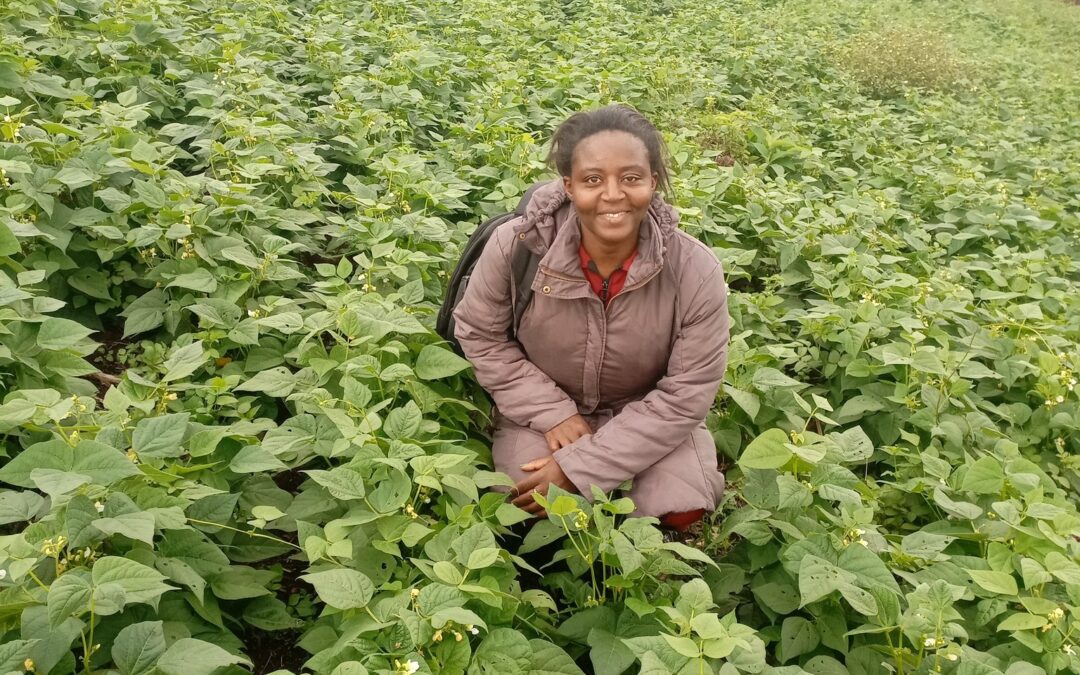
Farmers across Trans-Nzoia County are embracing a groundbreaking farming model that is slashing production costs, guaranteeing sustainable incomes, and providing nutritious diets for their families. At the heart of this success is permaculture. Farmers are adopting a highly integrated approach that includes:
- On-farm water conservation systems (swales).
- Intercropping diverse crops for both short- and long-term harvests.
- Aggressively protecting and building soil fertility.
This approach seamlessly combines horticulture, cash crops, and multiple types of livestock into a single, symbiotic operation. For instance, farmers raise chickens, whose nutrient-rich guano (waste) is a powerful fertilizer for crops, forage grasses, and even fish ponds. This creates a closed-loop system where every output becomes a valuable input elsewhere, drastically reducing the need for costly external resources.
Judith Kimungui from Sabata Village confirms the power of this model: “The most important thing with this type of farming is that each agricultural activity complements the other, reducing the cost of production.” She adds that this approach also ensures the use of climatesmart and organic farming practices. The shift is generating significant household savings, as noted by retired teacher Elizabeth Naika: “I can eliminate [60 to 70 per cent of household food expenditure] and be sure I am eating healthy.” She further states, “It’s a good concept because instead of going to the market, you grow and eat your own, and you are sure of your health.”
For Julia Burudi from Mitoto, the integrated system provides both daily income and superior food security. “We eat animal protein every day—from milk, fish, meat, or eggs. We also mix various vegetables for nutritious meals,” she says. The intelligent use of water from her fishpond to irrigate a kitchen garden earns her a consistent Sh500 to Sh1,000 daily. County nutritionist Naomi Fadhili validates this transformative impact: “With a variety of crops and small livestock, a family can alternate protein sources and still have a nutritious diet every day.”
We are happy that families are able to put food on the table. Children are going to schools and the future generation is secure as we care for the mother planet.
 Trainer & East Africa Regional Hub Coordinator
 A perpetual student and longtime traveler, Rachel found her way to EARN through a growing conviction that regenerative land work matters. She previously worked in the for-profit world, mostly in software development. After years working in technology, she found herself drawn toward work that connects people to the land and to each other. Rachel received her Permaculture Design Certificate in Ecuador and continues to be shaped by the principles she encountered there. She is excited to contribute to EARN’s mission through the operational work that keeps everything running smoothly.
 Founder at Global Thinkers Forum
 Senior Architectural Designer at KEM STUDIO
 Expert Engineer and Business Developer at DEME-Group
 Founder & CEO at Food Corridor
 Co-Founder & Certified Money Coach at AuraFinance
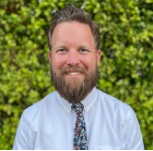 President at Oppenheimer Development Properties
 Trainer
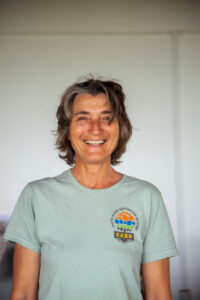 Trainer
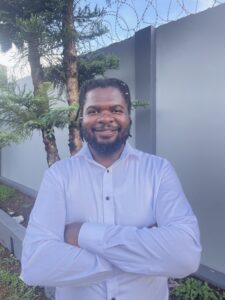 Communications Manager
 Trainer
 Trainer
 Lead Trainer
 EARN Administrative Coordinator
 CEO, President, & Co-Founder at EARN