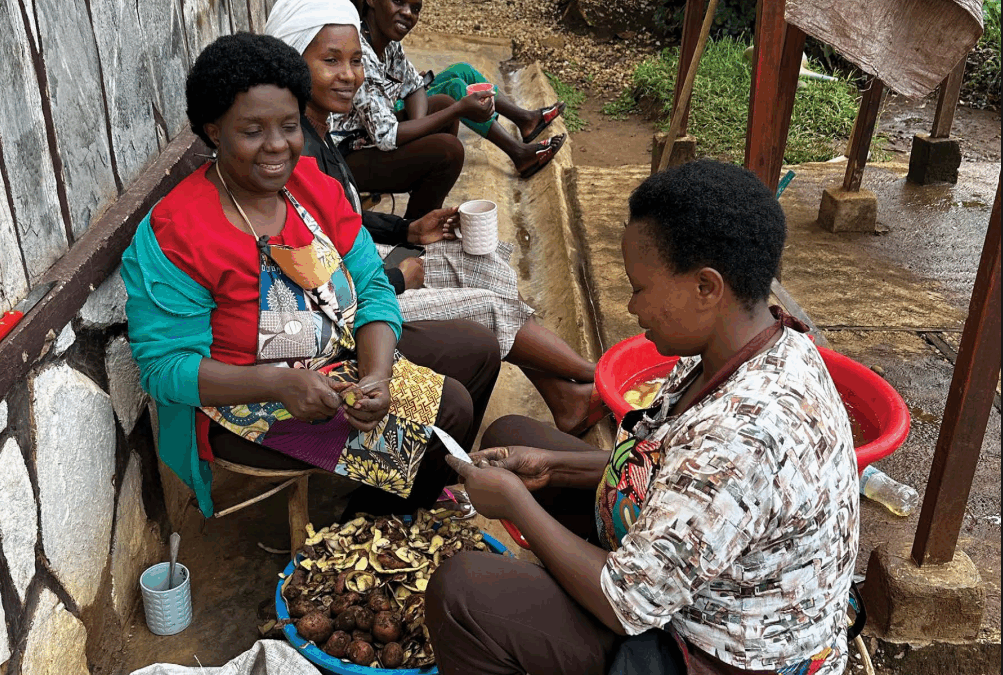
A wide range of trees have been planted across the farm; those are fruit trees, agroforestry trees, medicinal plants and shrubs. All those are building soil organic matter and boost productivity, increase water retention, improve air quality and provide forage for livestock.
At the starting (2020), we planted 100 sugar canes, 100 fruit trees (citrus, orange, avocadoes, and so on), 280 agro forestry trees (alenus, acacia, sesbania, Caliandra, etc) and 75 medicinal plant (hibiscus, altemisia). At this time, we have planted more than 3000 trees. Some agroforestry trees have been harvested and serve as stalks for mango and banana plantations. All trees are planted along the berms except sugar canes and yams which are planted into the swales.
By September 2021, we were growing a wide range of crops each season which includes:
Cereals (maize, sorghum, wheat) Legumes (beans, soybean, peas, cowpeas), Vegetables (leafy greens, onions’ varieties, root vegetables, fruit vegetables, etc) conventional and indigenous ones. As GHI is promoting better nutrition through agriculture and health education, we have been able to boost food production as well as diversity to our farm. We introduced more than 10 new tree varieties and vegetables. As we run our community lunch program, we have been able to produce more than 70% of food commodities consumed on a daily basis.
Before starting permaculture, we used to have 4 goats only. Under the EARN Permaculture grant, we introduced pigs and turkeys at Gardens for Health international. The rapid multiplication of livestock resulted in intensive manure production. Additionally, the turkeys are laying down eggs, and this is a rare product to have in Rwanda. [As of] November 2024, we are able to produce 50% of manure used seasonally to fertilize the farm.
 Trainer & East Africa Regional Hub Coordinator
 A perpetual student and longtime traveler, Rachel found her way to EARN through a growing conviction that regenerative land work matters. She previously worked in the for-profit world, mostly in software development. After years working in technology, she found herself drawn toward work that connects people to the land and to each other. Rachel received her Permaculture Design Certificate in Ecuador and continues to be shaped by the principles she encountered there. She is excited to contribute to EARN’s mission through the operational work that keeps everything running smoothly.
 Founder at Global Thinkers Forum
 Senior Architectural Designer at KEM STUDIO
 Expert Engineer and Business Developer at DEME-Group
 Founder & CEO at Food Corridor
 Co-Founder & Certified Money Coach at AuraFinance
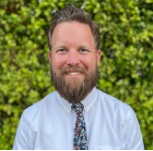 President at Oppenheimer Development Properties
 Trainer
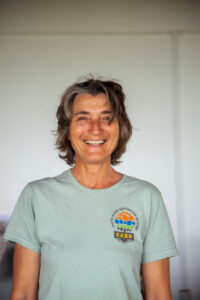 Trainer
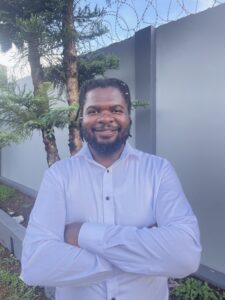 Communications Manager
 Trainer
 Trainer
 Lead Trainer
 EARN Administrative Coordinator
 CEO, President, & Co-Founder at EARN